Winter Pickups: Cold, Dark, and Wet — Delivery Habits That Keep Regulars All Season
Your washing does not get worse in winter. Your deliveries do — or at least, they feel worse to the customer. The bag comes back after dark instead of before dinner. It is damp from a rainy porch. The pickup runs forty minutes late in sleet and nobody said anything, so the customer stood at the window wondering. Winter rarely costs a laundry pro a customer over one bad night; it costs them over a slow drip of small frictions, each one forgiven, until a regular quietly stops booking. The fix is not effort — it is habits, set before the cold arrives.
Route for daylight, not just for distance
In summer, a 7 p.m. delivery is broad daylight. In winter, it is full dark, and your customer is opening the door to a shadow on the porch. Shift your last delivery window earlier for the season and say so — “winter hours: last drop-off by 6” reads as organized, not lazy. Order your route so the farthest stops happen while there is still light and the closest ones can safely take the dusk slots. Customers judge punctuality against the window you promised, so a slightly earlier window you always hit beats a later one you miss twice a week.
Bags that survive the weather
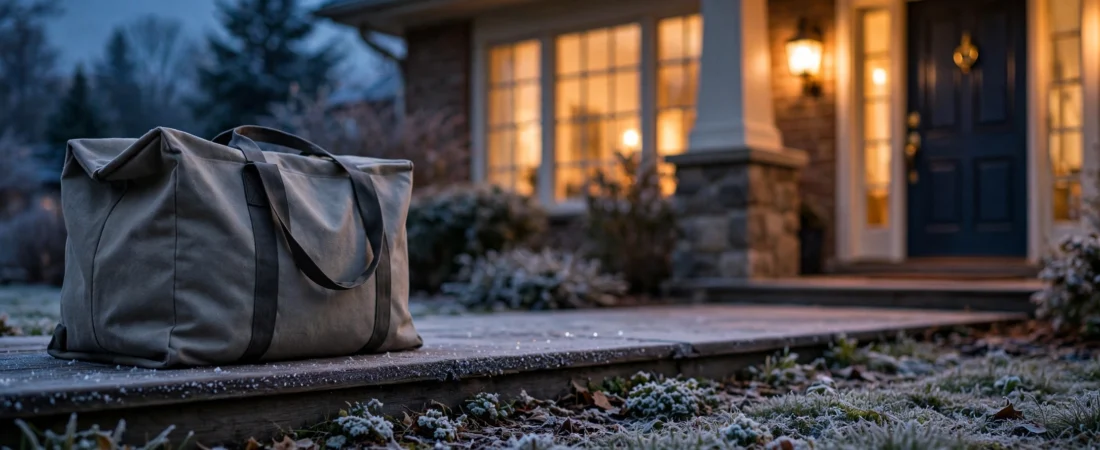
A clean load in a thin bag on a wet porch step is a relaunch waiting to happen. Winter-proof the hand-off: sturdy bags that close fully, and on wet days, a second outer bag or a plastic liner so the return arrives dry even if it sits outside for an hour. Agree the sheltered spot now, not during the first storm — under the porch roof, inside the storm door, in the garage corner the customer clears for you — and put it in the booking notes so it survives your busiest days. The customer’s experience of your whole service is the moment they pick up that bag; make sure it is clean, dry, and where they expected it.
The honest delay text, sent early
Weather will beat your schedule some nights. The difference between a forgiven delay and a lost regular is one short text, sent before the window closes, not after: “Running about 30 minutes behind tonight because of the roads — your delivery will be at the porch spot by 7:15, bagged dry.” That is the whole script. Early, specific, and it names where the bag will be. Customers are remarkably patient with pros who tell them things; what they remember badly is silence. Build the habit in good weather so it is automatic in bad.
Porch notes are a winter document
The notes you collected at signup were summer notes. Winter changes them: the gate that freezes, the steps that ice first, the porch light that is out, the dog who is now inside and much more interested in visitors. Take two minutes per regular at the season’s start to update their notes — ask about the sheltered spot, the best door in bad weather, anything that changes when it is cold. Wear the other half of this yourself: shoes with grip, a flashlight or headlamp for dark porches, and a car kit with a scraper, a towel for wet bags, and a phone charger. A fall on icy steps does not just hurt; it takes your whole route down with it, in your busiest season.
Why winter service earns spring loyalty
Here is the quiet math of the season: every regular you carry through winter with dry bags, honest texts, and deliveries that land where promised has watched you perform in the hardest conditions of the year. That is worth more than any review, because it is their own experience. When January’s fresh-start shoppers ask around — and when your regulars are asked, as they will be, who does their laundry — the answer comes from December’s porches, not from your prices page. Winter is not the season your service survives. Done right, it is the season your reputation is built.